
In the realm of mental health treatment, Transcranial Magnetic Stimulation (TMS) has emerged as tms near me a revolutionary technique offering new hope for individuals struggling with depression and other psychiatric conditions. This non-invasive procedure uses magnetic fields to stimulate specific areas of the brain, providing a targeted therapeutic approach that complements traditional treatments.
Understanding TMS
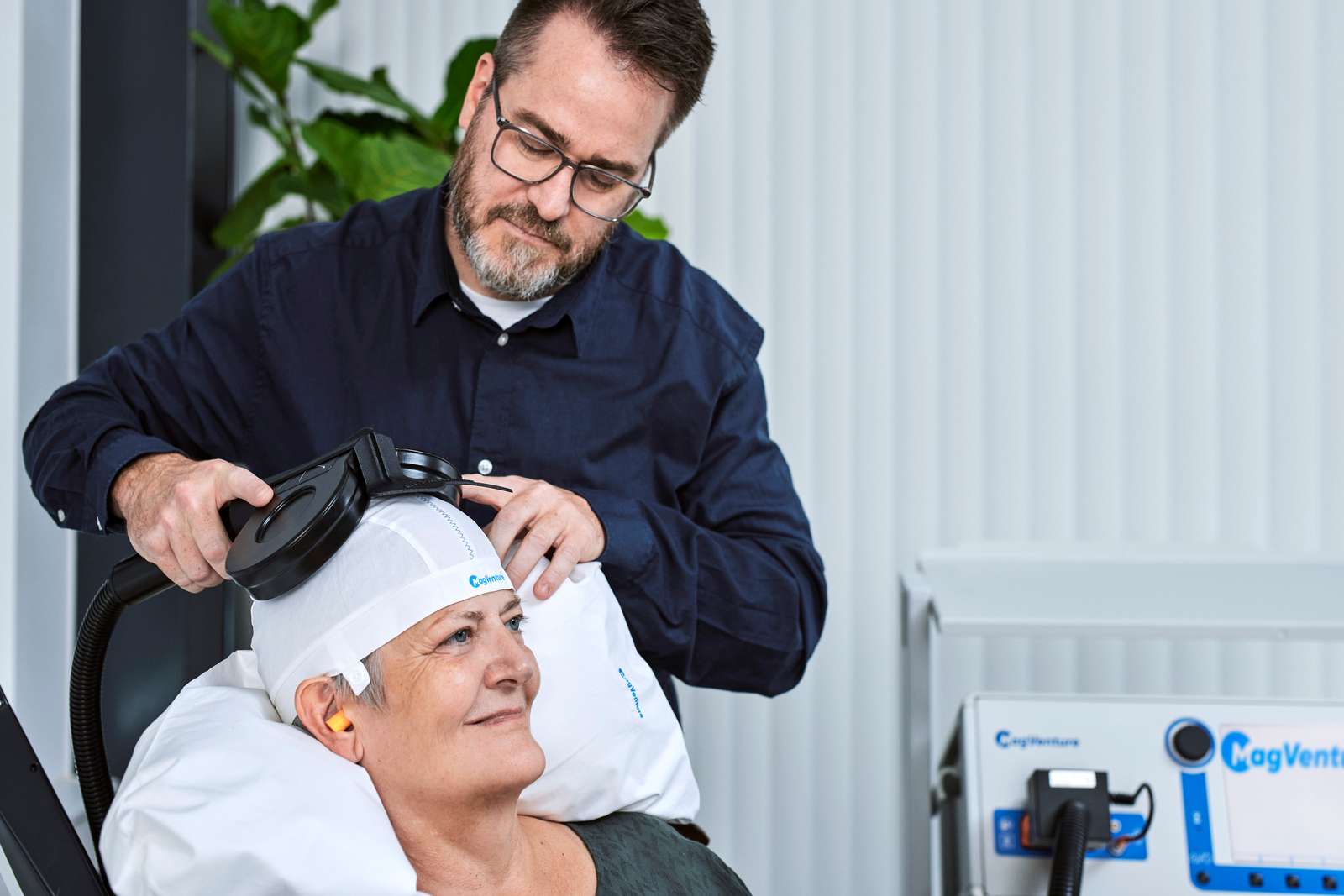
Transcranial Magnetic Stimulation involves the use of electromagnetic coils placed near the scalp to deliver focused magnetic pulses to particular regions of the brain. These pulses generate small electrical currents that activate neurons in the cerebral cortex, particularly in the prefrontal cortex known for its role in mood regulation. By modulating neural activity in these regions, TMS aims to alleviate symptoms of depression and other mental health disorders.
Efficacy and Clinical Applications
Clinical studies and trials have demonstrated the efficacy of TMS in treating various conditions, with significant focus on treatment-resistant depression (TRD). Many patients who have not responded to antidepressant medications or psychotherapy have experienced notable improvements in mood and overall well-being following TMS sessions. Beyond depression, TMS is also being investigated for its potential in managing anxiety disorders, PTSD, OCD, and chronic pain syndromes, highlighting its versatility and broad applicability in psychiatric care.
Treatment Procedure
During a TMS session, patients are seated comfortably while a TMS coil is placed against their scalp. The coil emits repetitive magnetic pulses, administered over multiple sessions typically spanning several weeks. Each session lasts approximately 20-30 minutes, during which patients experience minimal discomfort and can resume normal activities immediately afterward. Treatment schedules are tailored to individual needs and responses, guided by healthcare providers to optimize therapeutic outcomes.
Safety and Considerations
TMS is generally well-tolerated, with mild side effects such as mild headache or scalp discomfort reported infrequently. The procedure is non-invasive, making it a favorable option for patients seeking alternatives to medication or electroconvulsive therapy (ECT). Safety precautions include careful screening for individuals with metal implants near the head or history of seizures, ensuring appropriate candidacy for TMS therapy under the guidance of qualified healthcare professionals.
Advancements and Future Directions
Advancements in TMS technology continue to refine treatment protocols and expand its therapeutic capabilities. Innovations in coil design, stimulation parameters, and personalized treatment approaches aim to enhance efficacy and tailor therapy to individual patient needs. As research progresses, TMS holds promise for further innovation in mental health care, potentially influencing the development of more targeted and effective treatments for diverse psychiatric conditions.
Conclusion
Transcranial Magnetic Stimulation represents a significant advancement in the landscape of mental health treatment, offering a safe, non-invasive, and scientifically validated approach to addressing depression and related disorders. By harnessing magnetic fields to modulate brain activity, TMS provides a targeted intervention that complements traditional therapies, offering new avenues for individuals who have not responded to conventional treatments. As TMS continues to evolve and gain recognition, it stands poised to play a pivotal role in transforming mental health care, improving outcomes, and enhancing quality of life for patients worldwide.
Leave a Reply