
Opening: the practical problem driving better fan design
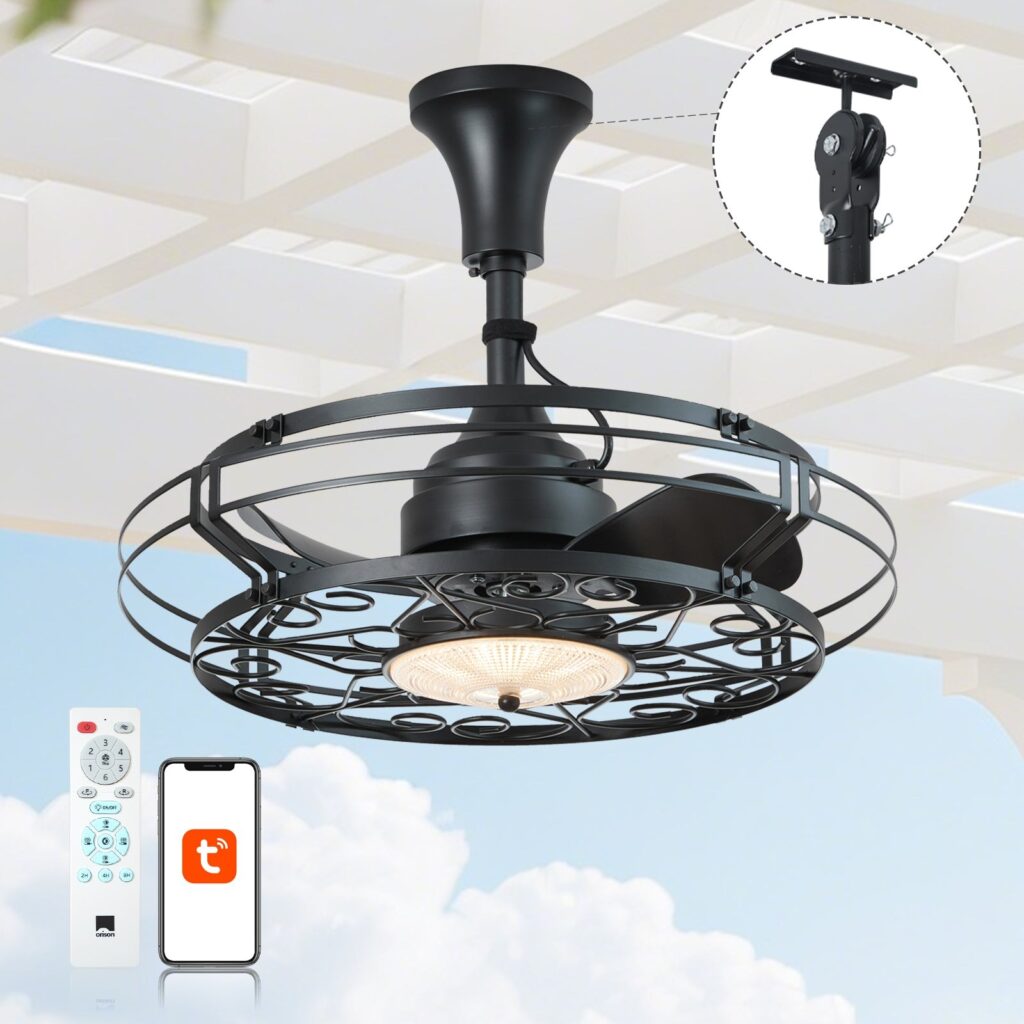
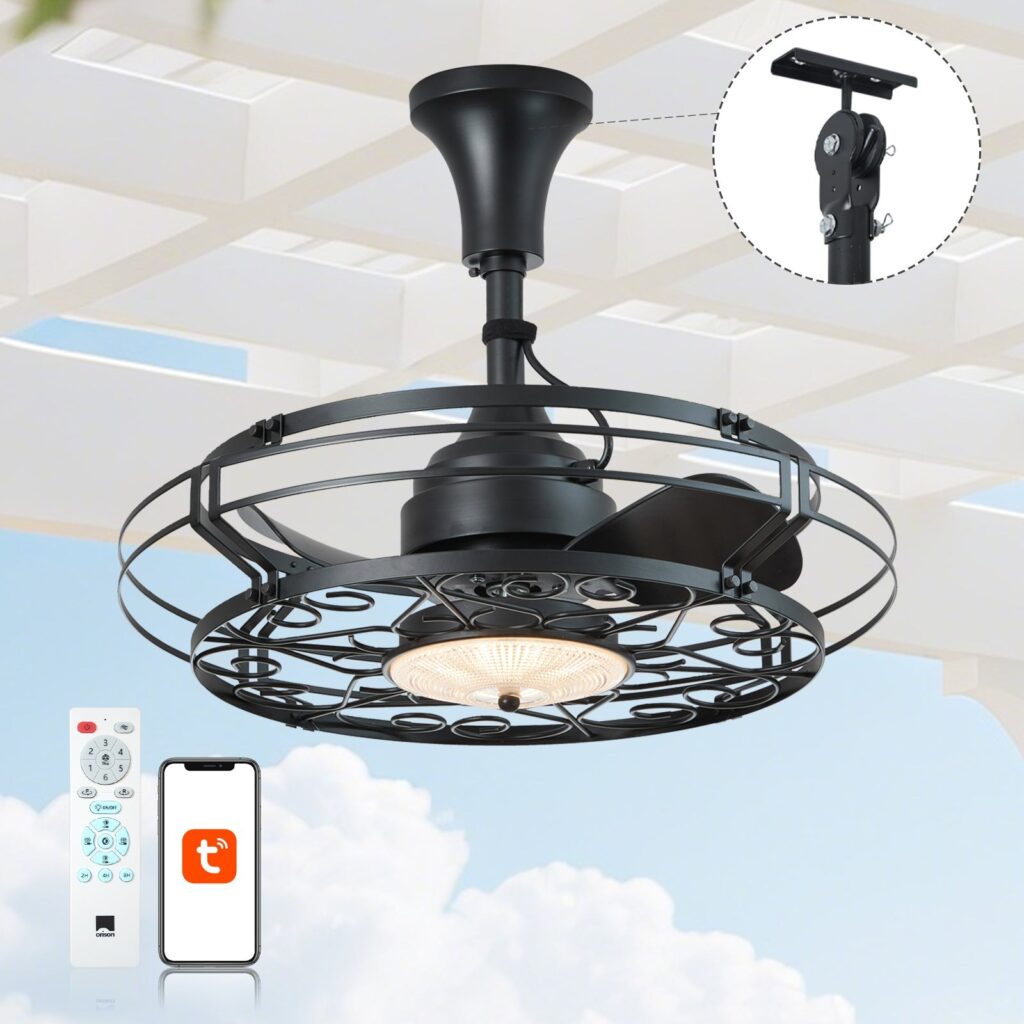
Most living spaces don’t need a statement chandelier — they need steady, quiet airflow that fits low ceilings and connects to your smart home. That’s the problem Orison set out to solve with its flush‑mount smart fans: how do you get high CFM without the wobble, hum, or clearance headaches? If you’re thinking about sprucing up a covered patio, check models built to withstand the elements like these outdoor patio ceiling fans—they show how engineering choices translate to real comfort.
The core problems most brands gloss over
Three recurring issues persist across cheap fans: acoustic noise at mid and high RPMs, inefficient airflow for their swept area, and poor motor durability under continuous use. Throw in low clearance applications and you add safety and aesthetic constraints. This is a product design problem as much as it is an engineering one — you can’t fix noise without revisiting motor control, bearings, and blade pitch in tandem.
How Orison’s engineering philosophy addresses them
Orison applies a system-level approach: optimize the BLDC motor, match blade pitch to the motor’s torque curve, and tune electronic speed control for low‑noise steps. The result is smoother RPM transitions and higher effective CFM at lower speeds. They also prioritize IP-rated components for outdoor resilience and compact housings for true flush mounts. It’s not about a single spec — it’s about balancing motor efficiency, blade geometry, and electronic damping to meet real use cases.
Key engineering choices, explained
Here are the technical levers that matter, in plain terms:
- Motor type: BLDC motors deliver better torque at low speeds and use less energy than shaded‑pole or PSC motors — that improves longevity and supports smarter speed curves.
- Blade design: Pitch and sweep affect airflow per watt; a well‑matched swept area to blade pitch reduces the need for high RPMs.
- Electronics: Precise PWM and microcontroller tuning cut hum and enable features like silent ramping and remote grouping.
Those choices also influence integration: a fan that uses refined PWM can sync with smart hubs without audible steps between speeds — which matters if you run schedules or voice control.
Comparing Orison to common alternatives
Entry‑level fans often compete on price by using simpler motors and fewer electronic controls; they hit their rated CFM only at loud, high RPMs. Premium competitors might match Orison on motor quality but compromise on mounting depth or weatherproofing. Orison leans into a middle path: engineered quiet at low speeds, true flush mount compatibility, and smart features that aren’t bolt‑ons. It’s a useful distinction if you value low‑noise comfort and integrated controls over raw top‑end airflow.
Installation and smart features: what to expect
Orison’s flush‑mounts are designed for compact housings and simplified canopy plates, which cuts install time on low ceilings. The smart stack supports common ecosystems and often includes grouping, schedules, and dim-to-warm lighting options for models with luminaires. If you need a lighted option for a covered deck, consider a patio ceiling fan with light that’s rated for damp or wet locations — you’ll avoid corrosion and preserve electronics longevity.
Real-world anchor: why this engineering matters
Energy Star notes that ceiling fans can let occupants raise thermostat setpoints by about 4°F while keeping comfort — a small change that compounds into real energy savings during cooling seasons. That’s the payoff for better engineering: quieter fans let people actually use them at lower speeds, which preserves comfort and saves energy. In short, engineering choices influence behavior as much as performance.
Common mistakes brands and buyers make
People assume higher RPM equals better cooling — not true if the design sacrifices blade pitch or damping. Manufacturers sometimes under-spec bearings and seals on outdoor models; you’ll see noise creep and service calls after a season. And integrators often skip verifying speed steps with their hub — which can leave users with awkward speed jumps. The fix? Ask for test curves (CFM vs. RPM), IP rating details, and a demo of smart‑home behavior before you buy. —
Three golden rules for evaluating flush‑mount smart fans
1) Demand performance curves: compare CFM at realistic speed settings, not just max CFM. 2) Verify motor and enclosure specs: BLDC, bearing type, and IP rating determine noise and durability. 3) Test smart integration: confirm that ramping, grouping, and voice control behave smoothly with your hub.
When those rules are followed, the choice becomes less about marketing blurbs and more about measurable outcomes: quieter nights, consistent airflow, and fewer service headaches. Orison. — smart, quiet, engineered.