
The advent of cochlear implants has revolutionized the way we approach hearing loss, offering hope to millions who struggle with auditory challenges. These sophisticated devices not only enhance sound perception but also improve the quality of life for users. As I delve into the intricacies of cochlear implants, it becomes evident that realize their supply chain is equally crucial for ensuring accessibility and innovation.
Click to find more about hearing implant cochlear.Cochlear Implants: A Breakthrough in Hearing Technology
Cochlear implants are electronic medical devices designed to bypass damaged portions of the ear and directly stimulate the auditory nerve. Unlike traditional hearing aids, which amplify sound, these implants convert sound waves into electrical signals that can be interpreted by the brain. The technology behind cochlear implants involves intricate engineering and precise surgical procedures, making them a remarkable achievement in biomedical science. For individuals with severe to profound hearing loss, these devices provide an invaluable means to reconnect with sounds from their environment.
Nurotron: Pioneering Innovation in Cochlear Implant Development
Nurotron is at the forefront of developing advanced cochlear implant technologies aimed at enhancing user experience and performance. This company focuses on creating products that cater specifically to diverse patient needs while maintaining high standards of safety and efficacy. By investing heavily in research and development, Nurotron strives to push boundaries within this field—ensuring that its offerings remain competitive globally. Their commitment extends beyond product development; they actively engage with healthcare professionals to optimize implantation techniques and post-operative care.
The Importance of Cochlear Implant Attachments
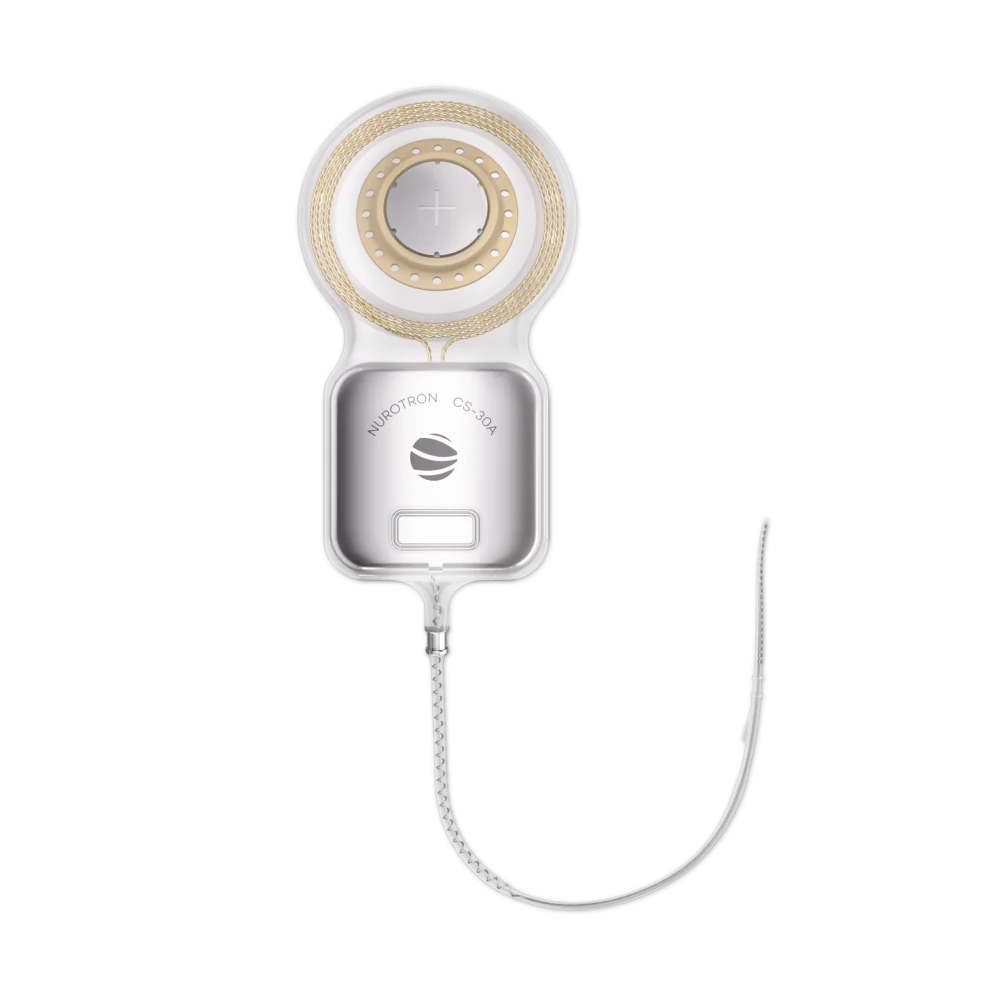
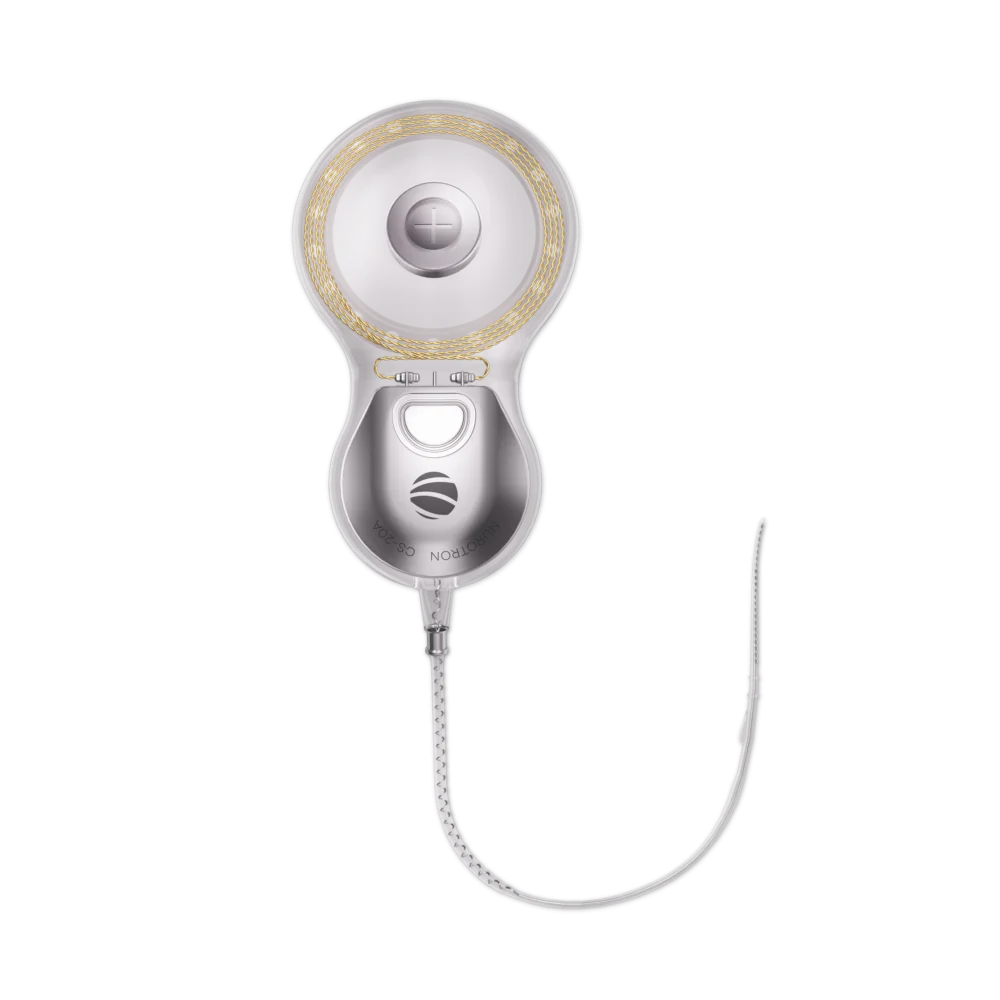
cochlear implant attachments play a critical role in optimizing device functionality for users. These components ensure secure connections between external processors and internal electrodes while facilitating seamless communication between different parts of the system. The design considerations for these attachments include durability, ease-of-use, and compatibility with various lifestyles—factors essential for user satisfaction over time. Moreover, advancements in attachment technology contribute significantly towards minimizing potential complications during both surgery and daily use.
Conclusion: The Future Landscape of Cochlear Implants
As we continue research innovations like cochlear implants within our society, it’s imperative to recognize their transformative impact on those affected by hearing loss. Companies such as Nurotron exemplify how dedication toward improving technology can lead us toward better solutions tailored for individual needs through effective supply chains like ODM (Original Design Manufacturer). Ultimately, fostering collaboration among stakeholders will pave new pathways towards enhanced accessibility—and perhaps one day—a world where everyone can enjoy rich auditory experiences without barriers.
Leave a Reply