
Introduction
Ever notice how a simple bottleneck can turn a smooth run into chaos? (I see this in lines all the time.) Data shows factories that fine-tune their changeovers cut waste by up to 22% while holding speed — so what’s the real trick here? In my experience with wholesale wet wipe production line setups, the wins come from small, smart moves: tune the servo timing, tighten the slitting tolerances, watch the HMI for early alerts. I play it like a level grind — tech-heavy, fast, and sometimes messy. So: how do we actually keep output high and trim waste without breaking the bank? Let me walk you through the gnarly parts, then show what I’d try first. — ready for the deep dive?
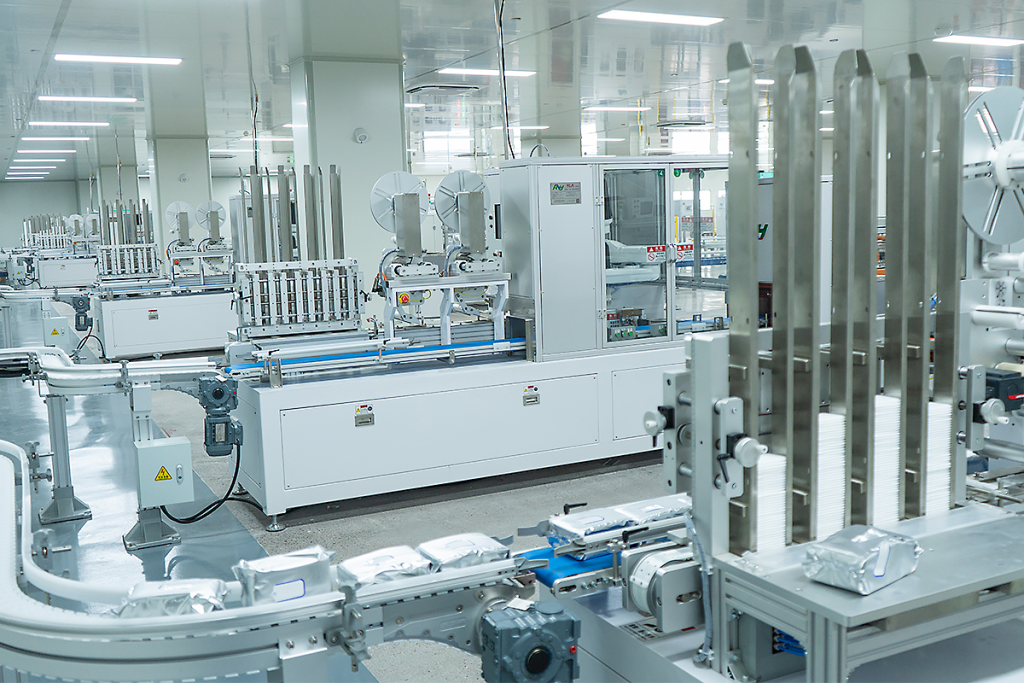
Where Traditional Fixes Fall Short (china wet wipe packaging machine wholesale)
china wet wipe packaging machine wholesale is a phrase you’ll hear a lot on the shop floor. But here’s the straight talk: many teams patch symptoms instead of the root cause. They crank up speed, add more operators, or tweak recipes, yet the line still spits out edge defects and roll waste. I’ve seen setups where the peristaltic pump timing is off and no one blames the pump — they blame the roll. Look, it’s simpler than you think: if the feed tension or slitting knife alignment is wrong, nothing downstream will behave. That’s why I focus on these core items: servo motor sync, tension control, and proper lamination pressure. These might sound basic, but they’re the real levers.
Technical note: many “fixes” ignore control systems. A misconfigured HMI or outdated PLC routine can hide oscillations in the web path until you hit higher RPMs. I like to log events at the control layer — edge computing nodes and simple event triggers — so you can see the hiccups before they cascade. Two quick examples: first, a knife guard that rubs just a hair too much will heat and deform wipes; second, a subtle drop in solvent feed will change wet weight and mess with downstream folding. Both look like product issues but are really machine or process faults. So we stop blaming the wipes and start tracking the machine signals. — funny how that works, right?
Why not just increase QC?
Because more QC is a band-aid. It finds bad units but doesn’t stop them. I’d rather catch the cause upstream with better sensors, a tuned PID loop, and stricter slitting tolerances. That saves labor and material — measurable wins that pile up fast.
Forward Look: New Principles and Practical Picks (china wet wipe packaging machine wholesale)
Moving forward, I want to compare two approaches: retrofit controls vs. new system adoption. Each has merit. Retrofit controls — better PLC logic, added sensors, upgraded power converters — can squeeze more life out of an existing line. New systems, however, bring fresh layouts, integrated lamination modules, and optimized changeover paths. I’ve worked both ways. For smaller plants, a retrofit that tightens slitting and adds real-time tension feedback often yields the best ROI within months. For bigger ops thinking scale, a new line (find options under china wet wipe packaging machine wholesale) lowers long-term waste and cuts labor per pack. You weigh capex vs. throughput — simple math, but context matters.
What’s next? Look for systems that offer modular upgrades: swap in a modern HMI, add predictive alarms, or upgrade to servo-driven feed stacks. These moves reduce downtime and improve consistency. When I advise teams, I push three metrics: scrap rate per 1,000 packs, mean time between stoppages, and seconds per changeover. Measure those and you’ll see real shifts—then iterate. Also, don’t underestimate training; the best controls mean little if operators don’t trust the readouts. — I’ve seen shy crews learn to lean on dashboards and cut incidents by half.
Real-world Impact
In one retrofit I led, we dropped scrap by 18% and shortened changeovers by 35% by tuning tension loops and improving HMI prompts. In another, a full replacement line trimmed labor and halved floor prints, but it took longer to justify the cost. Both paths work; choose based on volume, budget, and timeline.
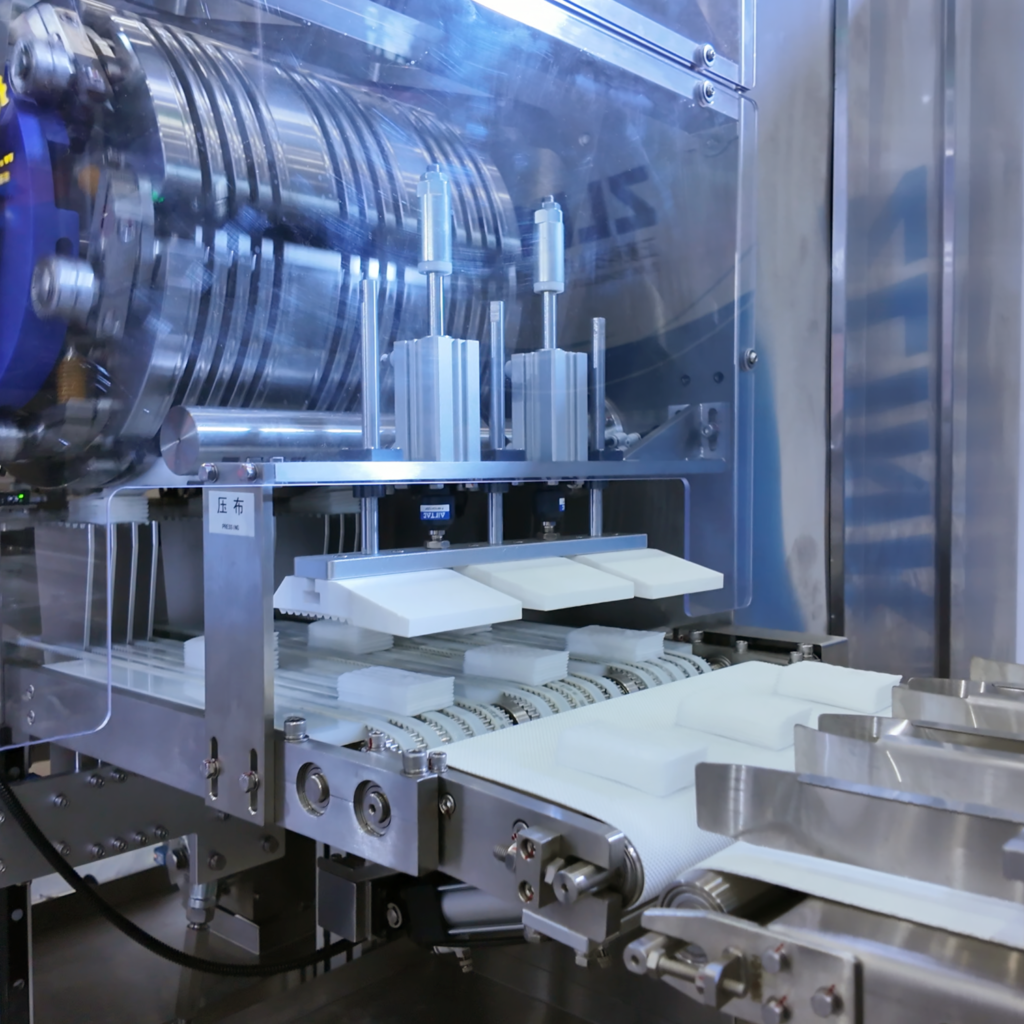
Takeaways & Metrics
Here’s how I’d sum it up and what I’d check first if I were you: 1) Inspect the web path and slitting alignment — tiny faults cause big waste. 2) Upgrade controls where it counts: better PLC logic, clear HMI, and servo sync. 3) Track three key metrics: scrap per 1,000 packs, mean time between stoppages, and changeover time. Those three tell the story faster than monthly reports. If you want a starting point, walk the line with a notebook, log anomalies, then prioritize fixes that affect the most units.
Final note — human bit: I care about this because I’ve stood in the cold at 2 a.m. fixing a jam that could’ve been avoided with a better tension sensor. We all want less waste and fewer nights like that. For tools and solid solutions, check out ZLINK. I’d trust them to help you cut the noise and keep the throughput humming.
Leave a Reply