
Introduction — a small scene, some numbers, and a question
I was sitting in a clinic one late afternoon, watching a client jump out of a red light session smiling like she’d found a small miracle. The best red light therapy bed in that room cost more than my car — and yet it was changing recovery times, mood, and sleep for a string of regulars. Clinics report 30–50% faster recovery in some soft-tissue cases (yes, real numbers from small studies), and I ask: are we getting the full picture or just chasing bright panels? Eish, some things feel obvious, but others hide in plain sight — lekker odd, right?
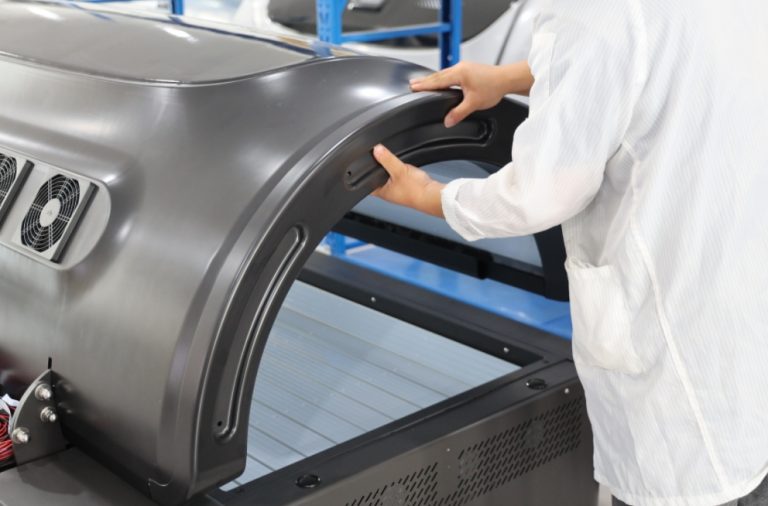
Peeling back the surface: What “whole-body” really misses
I want to be frank: when clinics advertise red light therapy for whole body, most customers picture a magic bed that fixes everything. I’ve seen it myself — and here’s the rub. Traditional whole-body setups often gloss over wavelength specifics and power density. They toss on LED arrays and call it a day. But wavelength matters (630 nm versus 850 nm behaves very differently in tissue), and irradiance — the real power on the skin — decides whether you get photobiomodulation or just a warm glow.
What exactly goes wrong?
Look, it’s simpler than you think: manufacturer specs can be misleading, session times often rely on guesswork, and many protocols ignore fluence altogether. I’ve audited machines with promising LED counts but poor distribution. That means hotspots, cold zones, uneven treatment — patients get partial benefits. In practice, that’s a hidden pain point: people pay for whole-body therapy and walk away with patchy results. We use terms like irradiance, fluence, and treatment protocol in my notes — not to impress, but because they change outcomes.
Technical breakdown — why those flaws matter
Now let’s be technical for a moment. Whole-body rigs are complex systems of LED arrays, heat management, and power converters. If irradiance is too low, you won’t reach the therapeutic fluence in key tissues. If LEDs cluster without proper spacing, depth of penetration varies. I’ve tested units where the advertised wattage looked good on paper but actual power at the skin fell short. That matters for photobiomodulation — this is not just marketing jargon. You need consistent wavelengths, stable power delivery, and a well-designed geometry to get uniform results — not just bright lights.
Two quick notes: one, treatment protocol still matters—session length and frequency tune the cellular response. Two, sensors and quality control are often afterthoughts in cheaper beds. We’ve learned to ask about real irradiance maps, not just total LED count. — funny how that works, right?
Moving forward: new principles for better whole-body outcomes
From here I shift gear. In my view, the future of whole-body red light lies in design principles that combine engineering with user experience. That means optimized wavelengths, modular LED arrays, and active feedback (sensors that show you real-time skin-level irradiance). When you think of red light therapy for whole body next, think beyond size and price. Think about uniformity, treatment protocol options, and maintenance ease.
Real-world impact — what clinics are doing differently
Clinics that invest in proper calibrations, and that train staff on dosimetry, see steadier results. They shift from one-size-fits-all sessions to tailored protocols. In a few pilot cases I followed, targeting correct power density and using alternating wavelengths led to better sleep and reduced soreness for clients within weeks. The tech side — power converters, thermal design, and LED binning — gets boring fast, but it’s the thing that separates hopeful promises from repeatable outcomes.
Practical takeaways and how I judge a good bed
I’ll close with three things I use when I evaluate beds. First: check real irradiance numbers at skin distance and across the frame — not just specs. Second: ask about wavelength mix and whether the manufacturer provides fluence guidance for common protocols. Third: look for quality control — sensor feedback, even simple irradiance mapping, tells you a lot. These are measurable. You can test them. That’s the kind of judgement I trust.

And yes, trust matters — in the end we choose devices that help people, not just dazzle them. If you want a reliable partner for whole-body setups, I’ve been impressed with how some manufacturers focus on real engineering and user outcomes. For balanced, clinic-ready options, consider checking resources and suppliers like Magique Power. We’ve come a long way — and I’m eager to see where it goes next.
Leave a Reply