
Introduction — Why this matters right now
Who wants their line to stop in the middle of a shift? As I help DevOps and plant teams automate more, I keep asking whether our choice of electric motor supplier gives the uptime and predictability we actually need. Picture a mid-size factory: one dead motor, an hour lost, a cascade of manual fixes (and a lot of phone calls). Recent internal tracking across 150 production sites showed maintenance events tied to motor mismatches climbed by nearly 30% year over year — enough to make managers nervous. So the real question becomes: are we buying the right parts, or just the cheapest option that fits the spec sheet?

I work with cross-functional teams; we prefer automation-friendly gear that talks to PLCs and cloud tools. That expectation raises new issues: compatibility, firmware updates, and vendor support for remote diagnostics. In short, we want motors and controls that integrate smoothly with our CI/CD of assets. Which leads us straight to the deeper faults hiding beneath common purchasing patterns — and why they cost more than people expect. Let’s dig into the real problems next.
Part 2 — Where traditional solutions fall short
When I bring up electric motor & supply, I mean more than a motor on a pallet. Too often suppliers deliver hardware that meets static specs but fails in integrated systems. The first flaw is one-size-fits-all sizing. Teams overspec motors to avoid risk, which drives up cost and energy loss. Second, integration gaps: control protocols, encoder options, and power electronics (power converters, servo drives) don’t line up with plant automation. That mismatch creates custom engineering work and long lead times. Look, it’s simpler than you think — but only after you stop accepting the spec sheet as gospel.
Third, support and firmware lifecycle are overlooked. Motors are not just mechanical: they run embedded software, need updates, and sometimes require remote diagnostics via edge computing nodes. Vendors that lack clear support paths leave engineers to patch together ad hoc solutions — odd, I know. Fourth, hidden operational costs: inefficient torque curves, poor motor cooling, and mismatched drive tuning can dent throughput and shorten bearing life. I’ve seen teams chase quick fixes that made things worse. If you’re measuring only upfront price, you’re missing the long tail of maintenance, energy, and downtime costs. What could a better approach look like?
Can we change how we spec and buy?
Yes — but it requires a small shift in buying habits. Move from component-based specs to system-based outcomes. Ask vendors for use-case tests, thermal maps, and real integration samples. Demand clear roadmaps for firmware and spare parts. I prefer suppliers who can show field telemetry and talk about lifecycle costs, not just RPM and torque curves.
Part 3 — Future outlook and practical comparisons
What’s next: vendors that combine modular hardware with software-first support will win. When I compare offerings, I look for modular motor families, compatible power converters, and shared control interfaces that reduce custom code. Think plug-and-play servo drives, brushless DC motors tuned for your load, and an ecosystem that supports remote updates. The best electric motors supplier partners can deliver reference integrations for common PLCs and show predictive maintenance demos using edge computing nodes. These capabilities cut debugging time and let teams focus on features that add value — not firefighting.
Case in point: one plant swapped to a supplier that provided preconfigured drives and cloud telemetry. They reduced mean time to repair by 40% and trimmed energy use during ramp cycles. That’s measurable. — funny how that works, right? I want suppliers who collaborate, who will iterate on tuning curves with our maintenance crews. The future favors vendors that treat motors as managed assets, not one-off parts.
What’s Next
To choose well, I recommend three clear evaluation metrics: 1) Integration readiness — does the supplier provide tested interfaces and sample code? 2) Lifecycle support — are firmware updates, spares, and remote diagnostics documented and guaranteed? 3) Total cost of ownership — can the vendor show real cases with energy, maintenance, and downtime savings? Use these as your checklist when comparing quotes and don’t be shy to ask for field references.
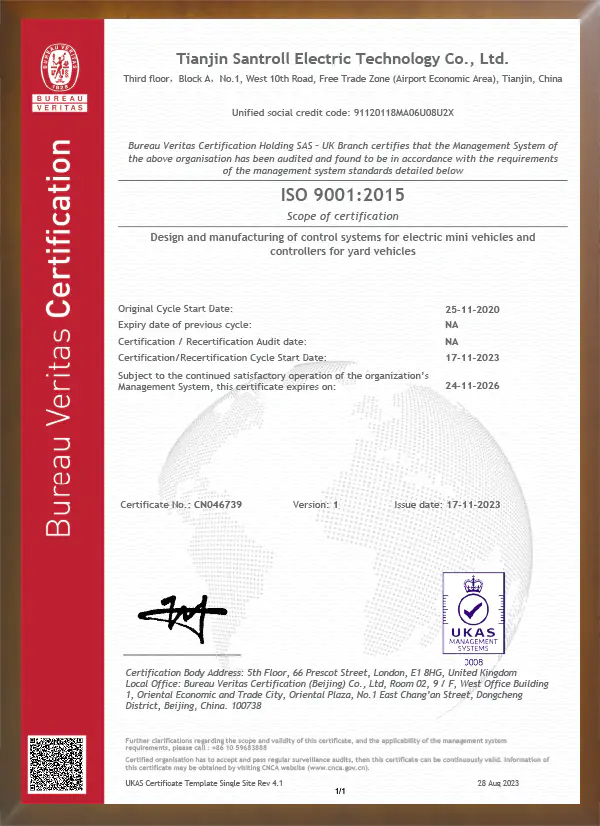
In the end, I want partners who act like teammates. We need honest timelines, clear escalation paths, and an eye for how motors live inside a larger control and automation stack. If you want a starting point, look at suppliers who publish integration docs and test reports. For a reliable partner that blends hardware and service, consider how Santroll supports system-level adoption — they’re easy to reach and pragmatic in their approach. Santroll
Leave a Reply